
Why Does My Breaker Keep Tripping? Causes, Safe Checks & When to Call an Electrician
A tripping breaker is a safety device doing its job. Here is how to tell a simple overload from a dangerous fault — and what to do next.
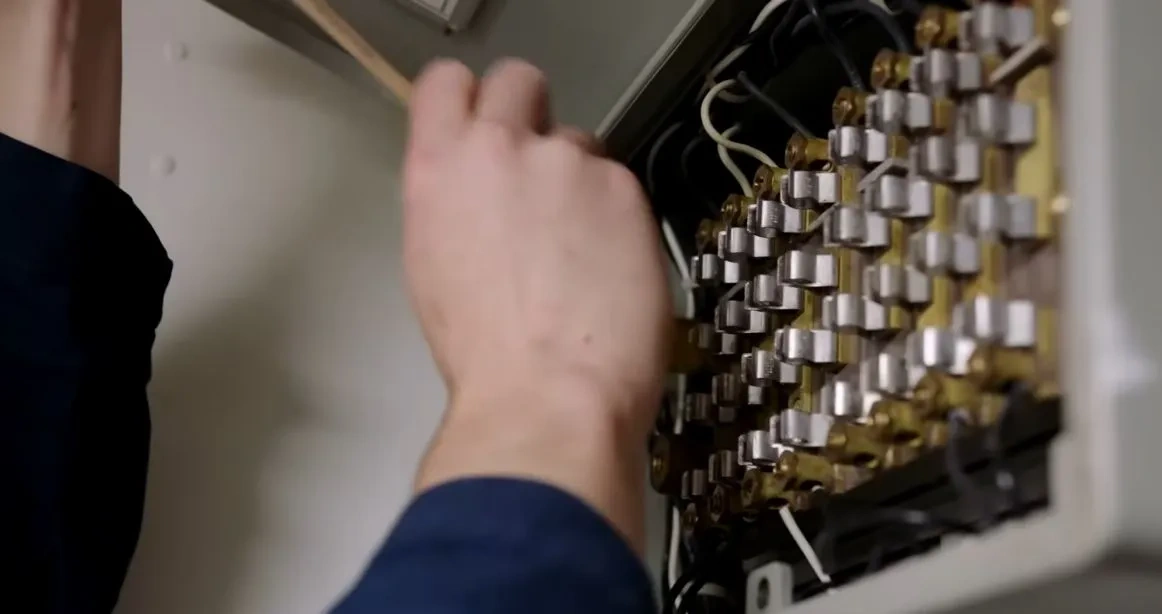
A breaker trips when it detects more current than the circuit can safely carry, or a fault such as a short or ground fault. The breaker is doing its job. A one-time trip during a heavy load is usually not a problem; a breaker that trips again and again means something needs to be fixed.
The four most common reasons a breaker trips
1. Overloaded circuit
Too many devices on one circuit — a space heater, hair dryer and microwave sharing a line, for example — draw more current than the wire and breaker are rated for. The breaker trips after a short delay to prevent the wire from overheating. This is the most common cause, especially in older Twin Falls homes with few circuits.
2. Short circuit
A short circuit happens when a hot wire touches a neutral or another hot wire. Current surges instantly and the breaker trips immediately, often with a pop or a flash. Damaged cords, loose wires and failed devices cause shorts.
3. Ground fault
A ground fault is current taking an unintended path to ground — through moisture, a damaged appliance or a person. GFCI breakers and outlets are designed to trip on tiny ground faults. They are required in kitchens, baths, garages and outdoors; see our NEC 2023 guide.
4. Arc fault or a worn breaker
AFCI breakers trip when they detect dangerous arcing in damaged or loose wiring. Separately, breakers wear out: an old or damaged breaker can trip below its rating or fail to trip when it should — a serious issue with certain older panels. See Federal Pacific panels and Zinsco and Pushmatic panels.
What you can check safely
- Note what was running when it tripped. If it was a heater, dryer or several appliances at once, you likely have an overload.
- Unplug everything on that circuit, reset the breaker fully (push to OFF, then ON), and plug devices back one at a time.
- If it trips with nothing plugged in, or trips immediately when reset, stop. That points to a wiring fault.
- Check GFCI outlets and breakers. Press the TEST and RESET buttons — a tripped GFCI can kill power to several outlets, including ones outside the room.
- Look for damaged cords or appliances and unplug anything that smells hot or looks damaged.
Stop and call an electrician if you notice
A burning smell, a breaker or panel that feels hot, buzzing or crackling, scorch marks on an outlet or panel, a breaker that will not stay reset, or lights that dim when large appliances start. Do not tape a breaker or replace it with a larger one — that removes the protection and creates a fire risk. For urgent problems see emergency electrician.
How an electrician fixes a tripping breaker
The fix depends on the cause. We find it first, rather than just resetting or swapping breakers:
- Overload: move loads to a new circuit, add a dedicated circuit for heavy appliances, or add capacity. See outlet and circuit installation.
- Short or ground fault: trace the circuit, find the damaged wire, device or appliance, and repair it.
- Worn or failing breakers and panels: replace the breaker, or the whole panel when it is old or unsafe. See panel upgrades.
- Aluminum or aging wiring: connections that loosen over time cause arcing and heat. See aluminum wiring in Twin Falls homes.
Troubleshooting is typically billed hourly; our cost guide notes a range of $85 – $125 per hour for open-ended diagnostic work, with flat-rate pricing for defined repairs. See electrical troubleshooting for how we work.
How to prevent repeat trips
- Spread high-draw appliances across different circuits.
- Avoid daisy-chaining power strips and extension cords for heaters or tools.
- Replace damaged cords and appliances promptly.
- Have older panels inspected — see electrical inspection.
- Consider surge protection at the panel — see surge protection.
Breaker tripping FAQ
Is it normal for a breaker to trip once in a while?
An occasional trip when you run too much at once can be normal. Repeated trips, or trips with little load, are not.
Can I just install a bigger breaker?
No. The breaker must match the wire size. A larger breaker lets the wire overheat without tripping, which can cause a fire.
Why does my breaker trip when it rains?
Moisture in outdoor outlets, fixtures or wiring can cause ground faults. Have a licensed electrician inspect weather-exposed wiring and GFCI protection.
What if the breaker will not reset?
Leave it off and call an electrician. A breaker that will not reset usually means a fault on the circuit or a failed breaker.
Could my panel be the problem?
Sometimes. Old, damaged or recalled-type panels can trip incorrectly or fail to trip. See signs you need a panel upgrade.
Need an Electrician in Twin Falls?
Licensed, insured, permitted. Written estimate before work starts.
📞 (208) 719-5016Get an Estimate