
VFD, Soft-Start & Motor Control Installation for Irrigation Pumps in Twin Falls County
Large irrigation and well pump motors draw a lot at start-up and run for months. Variable frequency drives, soft starters and the right protection save energy, reduce stress on equipment and keep pumps running through the season.
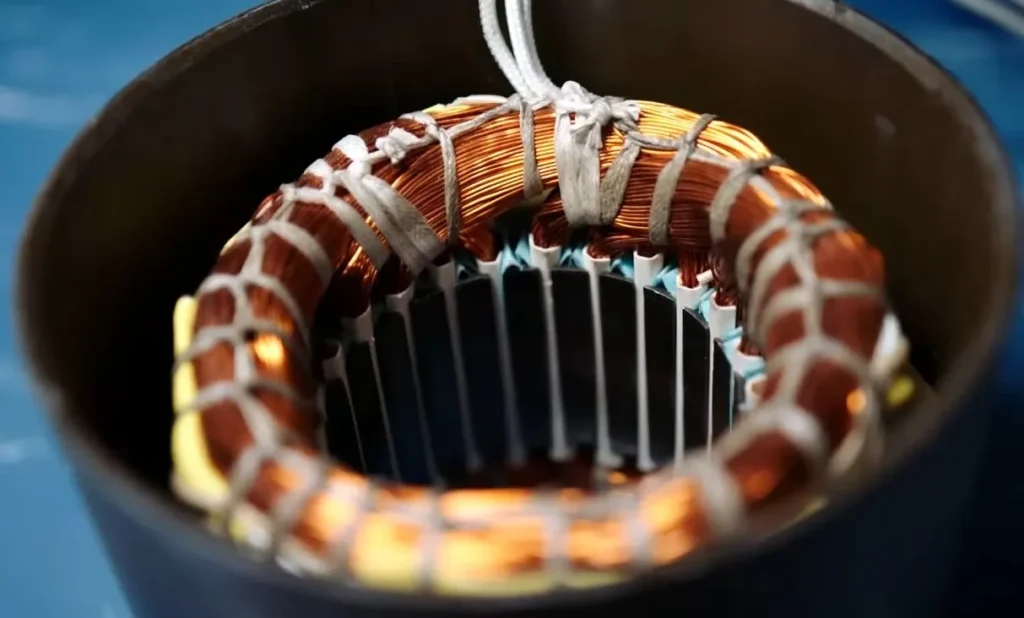
VFD, soft starter or across-the-line?
Variable frequency drive (VFD)
Changes motor speed to match the demand. It can save energy on variable loads, hold pressure steadily and soften start-up. It must be matched to the motor and installation.
New to drives? Start with our plain-English guide what is a VFD and how a variable frequency drive works.
Not every motor runs on a drive. For across-the-line starters, read how a motor circuit protector works and how to size it.
Soft starter
Ramps the motor up gently to reduce start-up current and mechanical shock without changing running speed.
Across-the-line starter
The simple, robust choice for many pumps. Sized with the right overload, disconnect and protection.
Protection and controls
Phase-loss and under-voltage protection, pressure and level controls, timers and monitoring that guard the motor.
Bypass and redundancy
A bypass lets the pump run if the drive is down — important during peak irrigation season.
Service entrance and wiring
Feeders, disconnects and grounding sized for motor loads. See also well pump electrician and center pivot electrician.
Make sure the drive and the motor are a good match
- Motor type and nameplate — older motors and long cable runs may need filters or an inverter-duty motor.
- Cable length and routing between drive and motor — long runs affect drive and motor life.
- Power quality — voltage, phase balance and harmonics on your service. A bad supply shortens equipment life.
- Utility requirements — new or larger loads may need Idaho Power or MVEC coordination. Utilities have offered efficiency programs for irrigation equipment; check current eligibility before you buy.
Pump panel cost reference
For reference, our cost guide lists a 3-phase well pump panel at $2,500 – $6,000, including motor starters, pressure controls and service entrance. Drives, large motors and longer runs change the number, so we price each project in writing after seeing the pump, the motor and the service.
What Is Involved in VFD Installation for an Irrigation Pump?
A good VFD installation starts with the pump and motor, not the drive. We check that the motor suits drive power, size the drive and build an enclosure that survives a pump house in July.
- Review the pump and motor. Nameplate amps, voltage and whether the motor is inverter-duty. Submersible pumps have maker limits for drive use.
- Size the drive. Match the motor full-load amps. A three-phase motor on single-phase power needs a larger drive.
- Plan cooling and enclosure. Heat and dust are the main causes of drive failure in pump houses.
- Protect the motor. Output filters on long leads, correct grounding and upstream protection. See motor circuit protection.
- Add the pressure sensor for constant-pressure control where it makes sense.
- Program and test. Minimum speed, ramp times and fault settings, then a full-load test.
New to drives? Read our plain-English guide to what a VFD is and how it saves energy.
Is a VFD Worth It on Your Pump?
A VFD pays off when demand changes. It is less useful when a pump runs at full load all season.
| Situation | VFD usually worth it? | Why |
|---|---|---|
| Several zones or pivots on one pump | Yes | Holds pressure as demand changes |
| End guns or corners turning on and off | Often | Avoids pressure swings and water hammer |
| Well that must run on single-phase power | Often | Runs a three-phase motor from single-phase |
| Hard starts that dim lights or trip breakers | Yes | Soft, controlled starts |
| One pivot, one pump, full flow all day | Rarely | Little speed change means little saving |
How we built this table: it reflects how pump demand affects drive savings on typical farm systems. We check your actual pump curve and use before recommending a drive. Pivots that stop for electrical reasons are covered in center pivot troubleshooting.
Frequently asked questions
Is a VFD right for every irrigation pump?
No. VFDs pay off most where the load or pressure varies. For a pump that runs at one steady point, a soft starter or a well-sized starter may be the better value. We help you decide.
Can you add a VFD to an existing motor?
Often yes, after checking the motor, cable length and power quality. Some older motors need protection such as filters or replacement.
Do I need utility approval for a bigger pump?
A larger motor can require utility coordination. We check before you commit. See MVEC vs Idaho Power.
Do you troubleshoot pumps that will not start?
Yes — see center pivot troubleshooting and emergency electrician.
Do you work on 3-phase systems?
Yes. See agricultural electrician and industrial electrician.
Can a VFD run a three-phase pump on single-phase power?
Yes. Many drives accept single-phase input and output three-phase power. The drive must be oversized, often about double the motor rating, and checked against the maker manual.
Do you repair or reprogram existing VFDs?
Yes. We troubleshoot drive faults such as overcurrent, overvoltage and overheating, check motors and wiring, and reprogram settings when a pump or system changes.
Will a VFD lower my irrigation power bill?
It can when pump demand varies, because power drops sharply as speed drops. On a pump that always runs at full load, savings are small. We review your system before recommending one.
Related services & guides
Well Pump Electrician
Well pump electrical service in Twin Falls County. 3-phase & single-phase well pump panels, submersible wiring & soft-start controls. 24/7 emergency.
Well pump electrician in Twin Falls →Center Pivot Electrician
Center pivot irrigation electrical — Zimmatic, Valley, Reinke wiring & repair across Twin Falls County. 24/7 emergency response. MVEC & Idaho Power. Call now.
Center pivot irrigation wiring →Agricultural Electrician
Agricultural electrician for Twin Falls County farms. Center pivot wiring, well pump panels, dairy electrical & grain bin circuits. 24/7 ag emergency.
Farm and ranch electrical services →Industrial Electrician
Industrial electrical in Twin Falls and the Magic Valley: 3-phase power, motor controls, equipment hookups, panels and troubleshooting.
Industrial electrical services →Center Pivot Electrical Troubleshooting
Center pivot won't start? Common electrical causes — contactors, fuses, overloads & ground faults. From Twin Falls County's ag electrical specialist.
Center pivot electrical troubleshooting →Agricultural Electrical Code for Idaho Farms
NEC and Idaho requirements for farm electrical — pivot wiring, well pumps & dairy circuits. What Magic Valley farmers need to know before starting any project.
Agricultural electrical code in Idaho →Dairy Farm Electrician
Dairy parlor electrical — milking circuits, bulk tank compressor wiring & vacuum pump panels. Serving Twin Falls County dairies. 24/7 emergency. Call now.
Dairy parlor electrical →Dairy Stray Voltage
Stray voltage testing and fixes for dairy farms in Twin Falls County: find the source, correct wiring faults and coordinate with Idaho Power or MVEC.
Stray voltage on dairy farms →Planning a Pump Upgrade in Twin Falls County?
We assess the motor, the drive and the service. Written estimate before work starts.
📞 Call (208) 719-5016 Get an Estimate