
How Much Does It Cost to Rewire a House in Twin Falls, Idaho?
Our cost guide puts a full-home rewire at roughly $8,000 to $20,000 in Twin Falls. Here is what moves a project up or down — and how to know if you need one.
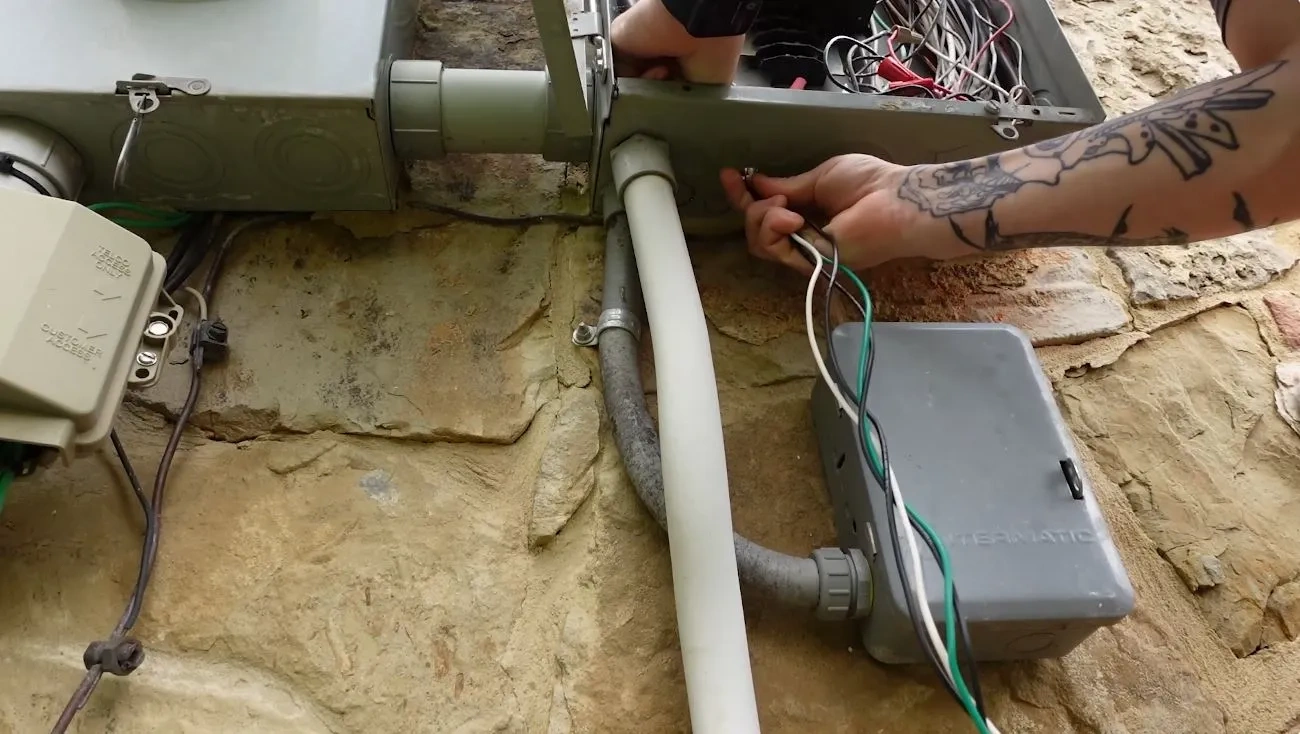
In Twin Falls, a full-home rewire typically costs between $8,000 and $20,000, plus a City of Twin Falls permit fee of roughly $127 – $510 (ranges from our cost guide). The spread is wide because no two houses are alike — square footage, wall and attic access, and the condition of the existing wiring decide the price.
Typical rewiring cost range
| Item | Typical Twin Falls range |
|---|---|
| Full home rewiring | $8,000 – $20,000 |
| Permit fee (full rewiring) | $127 – $510 |
| New outlet / circuit (single) | $200 – $500 |
| Panel upgrade 100A → 200A | $1,200 – $2,500 |
These are ranges from local jobs, not a quote. We price every project in writing after seeing the house.
What changes the price
- Size and layout: more square footage, more rooms, more circuits.
- Access: an open attic and crawlspace are far easier than finished walls and ceilings.
- Wall and ceiling repair: some rewires need patching and paint afterward; coordinating with a drywall contractor adds cost.
- The panel: many rewires include a new panel. See panel upgrades.
- Type of existing wiring: knob-and-tube, cloth-sheathed or aluminum wiring may require more work.
- Code upgrades: GFCI, AFCI, smoke and CO alarms — see the NEC 2023 guide.
- Permit and inspection: required, and we handle it. See electrical permits.
Signs your house may need rewiring
- Homes built before the mid-1980s with original wiring.
- Cloth-sheathed, brittle or crumbling insulation; knob-and-tube wiring.
- Aluminum branch-circuit wiring (common in 1960s–70s homes).
- Frequent tripped breakers, flickering lights or warm outlets — see why breakers trip and why lights flicker.
- Two-prong outlets and no ground throughout the house.
- An insurer or home inspector flagging the wiring — see electrical problems found in home inspections.
Not every house needs a full rewire
Sometimes a targeted fix — a new panel, a few new circuits, repairing specific runs — solves the problem for far less. We tell you honestly which approach fits your home and give you a written estimate for each option.
What a rewiring project looks like
- Inspection and plan: we assess the existing wiring and panel and plan circuits for how you live now.
- Permit: we pull the City of Twin Falls permit.
- Rough-in: new wiring is run through walls, attic and crawlspace; the panel is replaced if needed.
- Inspection: a city inspector checks the work before walls are closed.
- Finish: devices, fixtures and testing — then the final inspection.
See our whole-home rewiring page for more on how we handle the work.
What your home’s age tells us about its wiring
The year a Twin Falls home was built is a strong clue to what is inside the walls:
- Before about 1950: knob-and-tube or early cloth-sheathed cable, no grounding conductor and few circuits. Insulation is often brittle, and insurers frequently ask about it.
- 1950s to mid-1960s: cloth- or rubber-sheathed copper cable and two-wire, ungrounded circuits are common, with small panels by today’s standards.
- Mid-1960s to mid-1970s: some builders used aluminum branch wiring — see aluminum wiring in Twin Falls homes — and several panel brands that inspectors now flag date from this period.
- Late 1970s through the 1990s: grounded copper wiring is standard, but kitchens, baths and garages often lack GFCI protection and 100A panels reach their limit.
- 2000s and newer: the wiring is usually sound; the question is capacity for EV charging, heat pumps and shops rather than the wiring itself.
Full rewire, partial rewire or targeted repairs?
- Full rewire — right when wiring throughout is unsafe, ungrounded or brittle, or when walls are already open for a remodel.
- Partial rewire — replace the worst circuits (kitchen, bath, old additions) and leave sound wiring in place.
- Targeted repairs — fix loose connections, add GFCI protection, replace a panel or add dedicated circuits. This is often enough to solve a tripping-breaker or insurance problem.
Ask for a written estimate for each option so you can compare cost and benefit side by side.
How to avoid surprises in a rewiring estimate
- Ask what is included: panel, permit, devices (outlets and switches), smoke and CO alarms, and wall or ceiling patching.
- Ask how hidden problems — damaged wiring found inside walls or earlier do-it-yourself work — would be handled and priced.
- Ask about the schedule and how long the power will be off each day.
- Get everything in writing, including exclusions. See what to ask before hiring an electrician.
Rewiring cost FAQ
How long does a whole-house rewire take?
It depends on the size of the home and access. We give you an expected schedule in your written estimate and plan the work to limit disruption.
Can I stay in the house during a rewire?
Often yes, with power restored at the end of each working day, but it depends on the scope. We explain the plan before we start.
Will rewiring affect my homeowner’s insurance?
Many insurers require updated wiring or panels on older homes, and unpermitted work can cause problems with claims. See electrical permits.
Is partial rewiring an option?
Yes. Rewiring only the problem circuits or areas can be a good fit when the rest of the wiring is sound.
Does the estimate include drywall repair?
Electrical estimates normally cover the electrical work; wall and ceiling patching may be separate. We tell you exactly what is included.
Need an Electrician in Twin Falls?
Licensed, insured, permitted. Written estimate before work starts.
📞 (208) 719-5016Get an Estimate