
Electrical Problems Home Inspectors Flag in Idaho — Buyer and Seller Guide
Electrical findings can reopen a deal or delay closing. Here is what inspectors flag most and how to handle each one.
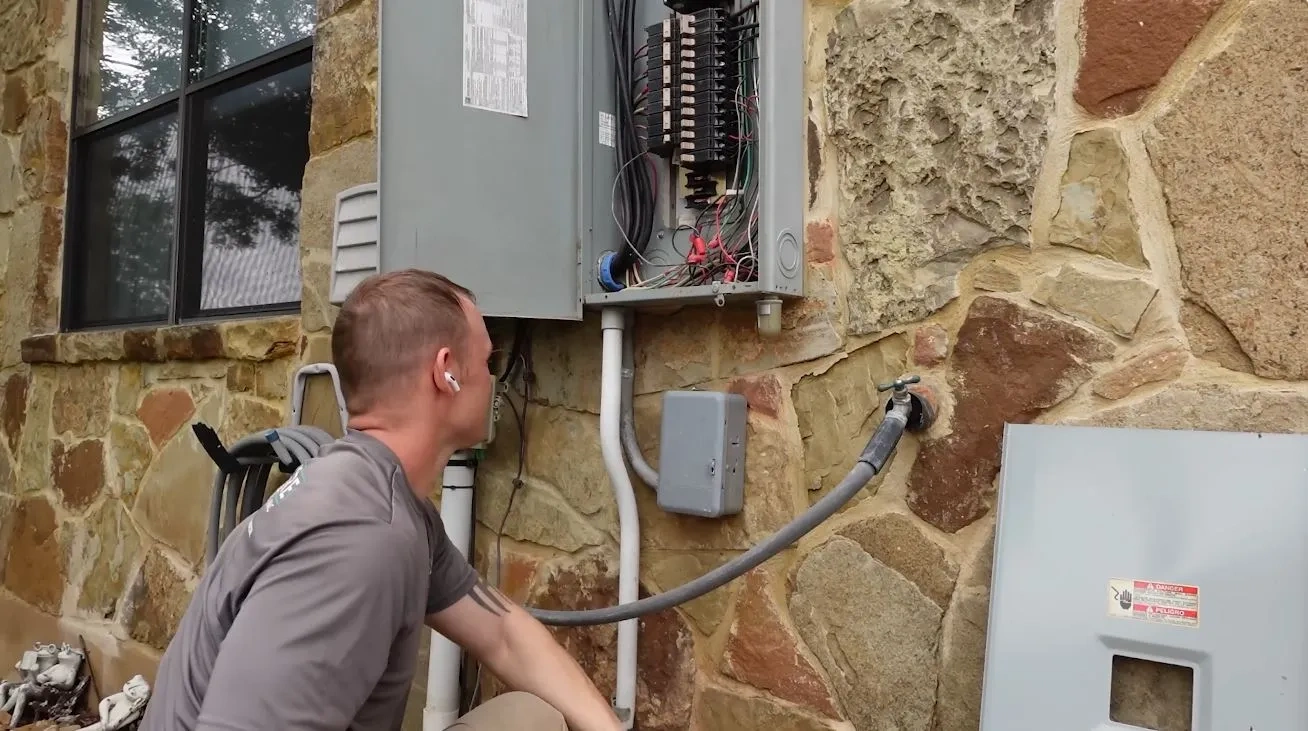
The electrical issues home inspectors flag most are unsafe panels, aluminum wiring, missing GFCI protection, double-tapped breakers, open junction boxes and unpermitted work. If you are buying or selling in Twin Falls, knowing these ahead of time lets you budget, negotiate or fix them early.
1. Problem panels
Federal Pacific Stab-Lok, Zinsco and some older panels are commonly flagged, as are panels with rust, scorch marks or missing covers. See Federal Pacific panels and Zinsco and Pushmatic panels.
2. Aluminum branch wiring
Common in homes built in the 1960s and 70s, aluminum wiring can loosen at connections and overheat. Inspectors often recommend an evaluation. See aluminum wiring in Twin Falls homes.
3. Missing GFCI and AFCI protection
Kitchens, baths, garages, laundry areas and exterior outlets should have ground-fault protection, and newer codes add arc-fault protection in more rooms. Adding GFCI outlets is a small repair. See the NEC 2023 guide.
4. Double-tapped breakers and overloaded panels
Two wires under one breaker lug (unless the breaker is rated for it) or a panel packed beyond its design are routine findings. Fixes range from rearranging circuits to a panel upgrade.
5. Open boxes, loose wiring and DIY work
Uncovered junction boxes, exposed splices, wrong wire sizes and hobby wiring are flagged on nearly every inspection of older homes.
6. Ungrounded outlets
Two-prong outlets or three-prong outlets without a ground are noted. Sometimes GFCI protection or rewiring is the right answer.
7. Unpermitted electrical work
Finished basements, additions and panel changes done without permits cause trouble at resale and with insurance claims. See electrical permits in Twin Falls.
If you are a buyer
- Ask for a licensed electrician to look at anything the inspector flags before your inspection period ends — see electrical inspection.
- Get a written estimate so you can negotiate repairs or price.
- Ask whether the panel, additions and finished spaces were permitted.
If you are a seller
- Fix small items first: GFCI outlets, loose devices, missing cover plates.
- Consider a pre-listing electrical inspection to avoid surprises.
- Keep permit and inspection documentation for any panel, rewiring or addition work.
Cost reference
Local ranges for common repairs — GFCI outlets, new circuits, panel upgrades and rewiring — are in our cost guide. Each project gets a written estimate before work starts.
How to prepare your home before an inspection
- Make sure the panel is accessible — clear the area in front of it and unlock the door or cover.
- Replace dead bulbs so lights can be tested, and make sure all switches and outlets have cover plates.
- Test GFCI outlets with the TEST and RESET buttons and replace any that do not work.
- Gather permits and paperwork for any panel, addition or finished-basement work.
- Tell the inspector about known issues rather than hoping they are missed — it builds trust and avoids surprises.
Negotiating electrical repairs after the report
- Get an electrician’s written estimate for each flagged item so everyone argues about real numbers.
- Separate safety items from cosmetic ones — panels, aluminum wiring and missing protection matter more than a loose cover plate.
- Choose your approach — seller repairs before closing, a price reduction, or a credit at closing. Get the agreement in writing.
What a pre-listing electrical check covers
Sellers can order an electrical inspection before listing. A licensed electrician checks the panel, the breakers, a sample of outlets and fixtures, GFCI and smoke and CO protection, and visible wiring in the attic, basement and garage, then gives you a written list. You can fix the inexpensive items first and disclose the rest with a written estimate in hand. See electrical inspection.
Home inspection electrical FAQ
Will a home inspector test every outlet?
A general inspector tests a sample of outlets and checks the panel, but they are not a substitute for an electrician’s evaluation when a problem is flagged.
Do I need to fix everything on the report?
Safety items are usually worth fixing; others may be negotiated. A licensed electrician can sort one from the other.
Can electrical findings stop a sale?
They can slow one down, especially with insurers. Getting a written estimate early keeps the deal moving.
Who should do repairs after an inspection?
A licensed electrician, with permits where required, so the work is documented. See licensed electrician in Idaho.
Need an Electrician in Twin Falls?
Licensed, insured, permitted. Written estimate before work starts.
📞 (208) 719-5016Get an Estimate