Electrical Fire Prevention for Idaho Homeowners — What to Know in Twin Falls
Electrical Fire Prevention for Idaho Homeowners — What Every Twin Falls Homeowner Should Know
By Tervano Electric · Twin Falls, Idaho · September 2026
In This Guide
Electrical Fire Statistics in Idaho and Twin Falls
Electrical fires are a leading cause of structure fires in Idaho homes. NFPA data shows that electrical distribution and lighting equipment account for approximately 13% of all home structure fires nationally — and the rate is higher in older housing stock like much of Twin Falls County’s 83301 and 83303 zip codes.
The factors that increase electrical fire risk are concentrated in Twin Falls: older homes with Federal Pacific panels, aluminum branch circuit wiring, and 60A or 100A services that can’t handle modern electrical loads. These aren’t theoretical risks — they’re the specific conditions we find in Twin Falls homes every week.
🔥 The Two Highest-Risk Conditions in Twin Falls Homes
1. Federal Pacific Stab-Lok panels — breakers that don’t trip under overload, allowing wire to overheat. 2. Aluminum branch circuit wiring with loose connections — creating resistance and heat at outlets, switches, and junction boxes.
Top Causes of Electrical Fires in Twin Falls Homes
Federal Pacific Stab-Lok Panels
The most serious single electrical fire risk we see in Twin Falls homes is the Federal Pacific Stab-Lok panel. Documented failure rate: FPE breakers don’t always trip when they should, allowing circuits to overheat past the wire’s rated temperature. If your Twin Falls home has a Federal Pacific panel, replacement is the correct action — not monitoring and hoping.
Aluminum Branch Circuit Wiring
Aluminum wiring in homes built 1965–1973 develops loose connections over time at outlets, switches, and panel terminations. Loose connections create heat. The specific risk: an outlet connection that’s loose enough to arc and ignite surrounding materials, but not loose enough to trip the breaker. COPALUM crimp remediation by a licensed electrician is the fix.
Overloaded Circuits and Extension Cords
A 15A circuit overloaded with space heaters, portable A/C units, and multiple high-draw appliances will eventually trip the breaker — or, in an FPE panel, won’t trip and will overheat the wire. Using extension cords as permanent wiring is the most common DIY electrical fire cause in Twin Falls homes. Extension cords are not rated for permanent use.
Outdated Wiring — Cloth-Sheathed and Knob-and-Tube
Pre-1945 Twin Falls homes may have cloth-sheathed wiring or knob-and-tube systems — both of which are deteriorated by age and incompatible with modern insulation installation. Burying knob-and-tube wiring in attic insulation is a documented fire hazard. If your Twin Falls home was built before 1950 and has never been rewired, a professional assessment is overdue.
Warning Signs to Never Ignore in Your Twin Falls Home
- Burning smell from outlets, switches, or panel — treat as an emergency, turn off the circuit, call us same day
- Outlets warm to the touch — sign of overloaded circuit or loose aluminum wiring connection
- Scorch marks around outlet face plates — evidence of arcing; don’t use that outlet until inspected
- Breakers that trip repeatedly under normal load — the breaker is working correctly; the circuit has a fault
- Flickering lights across the whole house — loose service connection or failing main breaker; potentially urgent
- Federal Pacific or Zinsco panel — not a warning sign but a known hazard; replacement is appropriate
Electrical Fire Prevention Steps for Twin Falls Homeowners
Know What Panel You Have
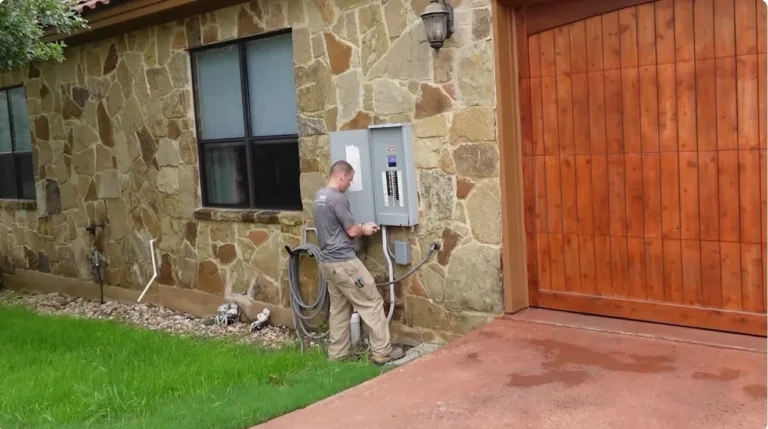
Open your main electrical panel and look for “Federal Pacific” or “Stab-Lok.” If you see either, contact us for a free assessment. This is the single most impactful electrical fire prevention step for Twin Falls homes built before 1985.
Install Whole-Home Surge Protection
Magic Valley thunderstorms cause power surges that can ignite electrical fires by damaging wiring insulation. A whole-home surge protection device (SPD) at your main panel costs $350–$650 installed and protects every circuit. Learn about surge protection →
Have GFCI Outlets Installed in Required Locations
GFCI outlets prevent ground fault shocks and fires in wet locations. If your Twin Falls home doesn’t have GFCI in kitchens, bathrooms, garages, and outdoor locations, this is a priority safety upgrade. GFCI outlet installation →
Don’t Use Extension Cords as Permanent Wiring
If you’re running extension cords because you don’t have enough outlets, have a licensed electrician add outlets on proper circuits. Extension cords are not designed for permanent use and are a documented fire hazard when overloaded.
When to Get a Professional Electrical Inspection
Get an electrical inspection from a licensed Twin Falls electrician if:
- You’re buying a Twin Falls home built before 1985
- You’ve never had a professional electrical inspection on your current home
- You’ve noticed any of the warning signs listed above
- Your insurance company has asked for an electrical inspection or report
- You’re planning a significant renovation that will involve opening walls
FAQ — Electrical Fire Prevention in Twin Falls, Idaho
How common are electrical fires in Twin Falls County?
The Twin Falls Fire Department responds to electrical fire incidents regularly. The Twin Falls area has a higher percentage of older housing stock with known electrical fire risks — Federal Pacific panels and aluminum wiring — than the national average. We don’t have city-specific statistics, but the risk factors are well-documented and present in a significant percentage of 83301 and 83303 homes.
Does homeowner’s insurance cover electrical fires in Twin Falls?
Yes — if the wiring was legally installed. Fires caused by unpermitted electrical work, unlicensed electricians, or known hazards that were disclosed to the insurer may face coverage disputes. Fires caused by properly installed, permitted electrical systems are typically covered. This is another reason why permitted, licensed electrical work matters — it protects your insurance coverage.
Is it safe to have aluminum wiring in my Twin Falls home if it hasn’t caused problems?
Aluminum wiring that hasn’t caused visible problems may still have developing connection failures that aren’t yet producing symptoms. Connections can be loosening for years before they reach the arcing threshold. A pre-emptive COPALUM crimp remediation by a licensed electrician is the correct response — not waiting for problems to appear.
Need an Electrician in Twin Falls?
Licensed, insured, permitted. Written estimate before work starts.
📞 (208) 886-8454Free Estimate